FRANCE COUNTRY DAY EVENT HELD AT ANKARA CHAMBER OF INDUSTRY
CALL FROM ACI CHAIRMAN SEYİT ARDIÇ TO FRENCH INVESTORS:
“PRODUCE FROM ANKARA FOR THE EUROPEAN MARKET”
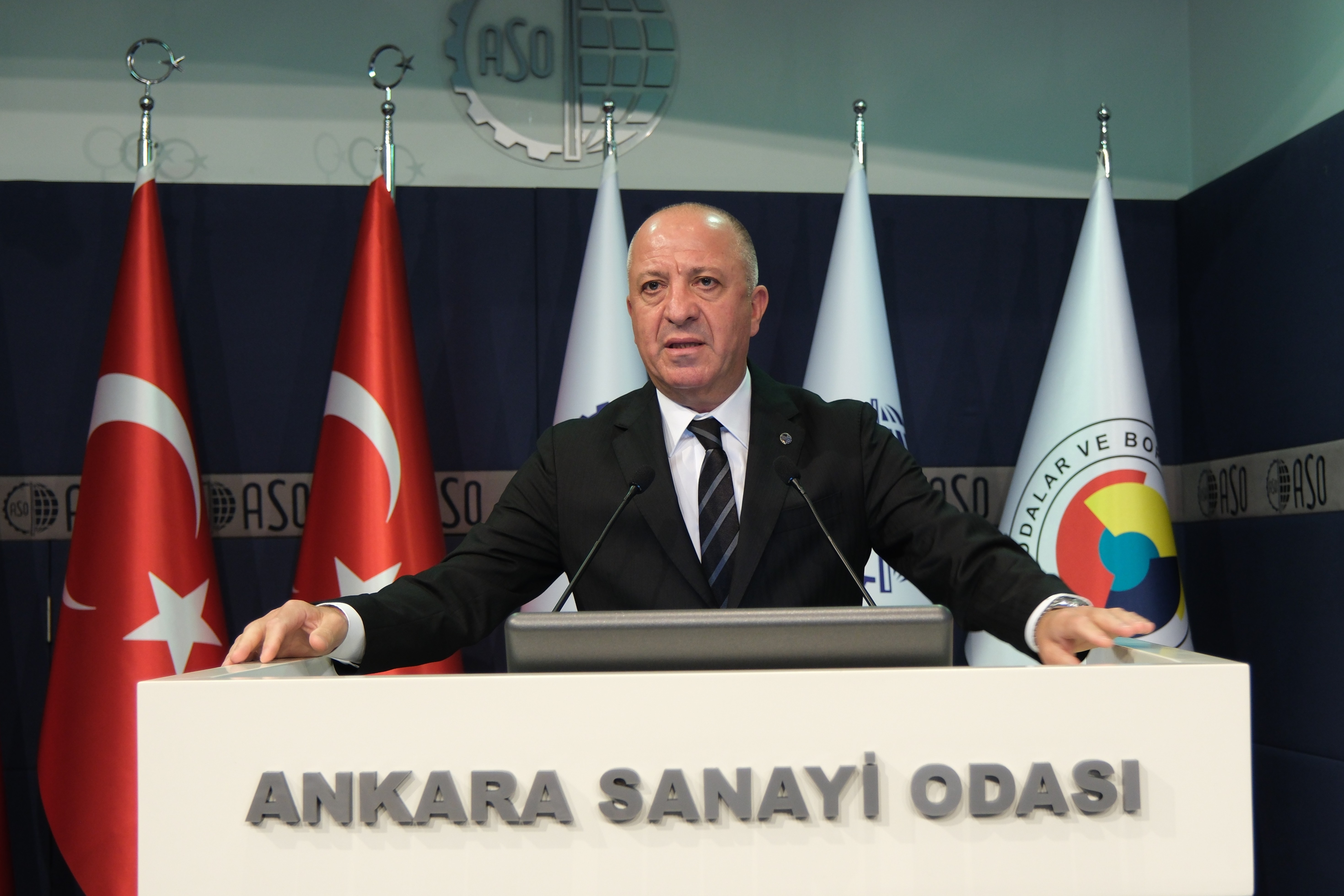
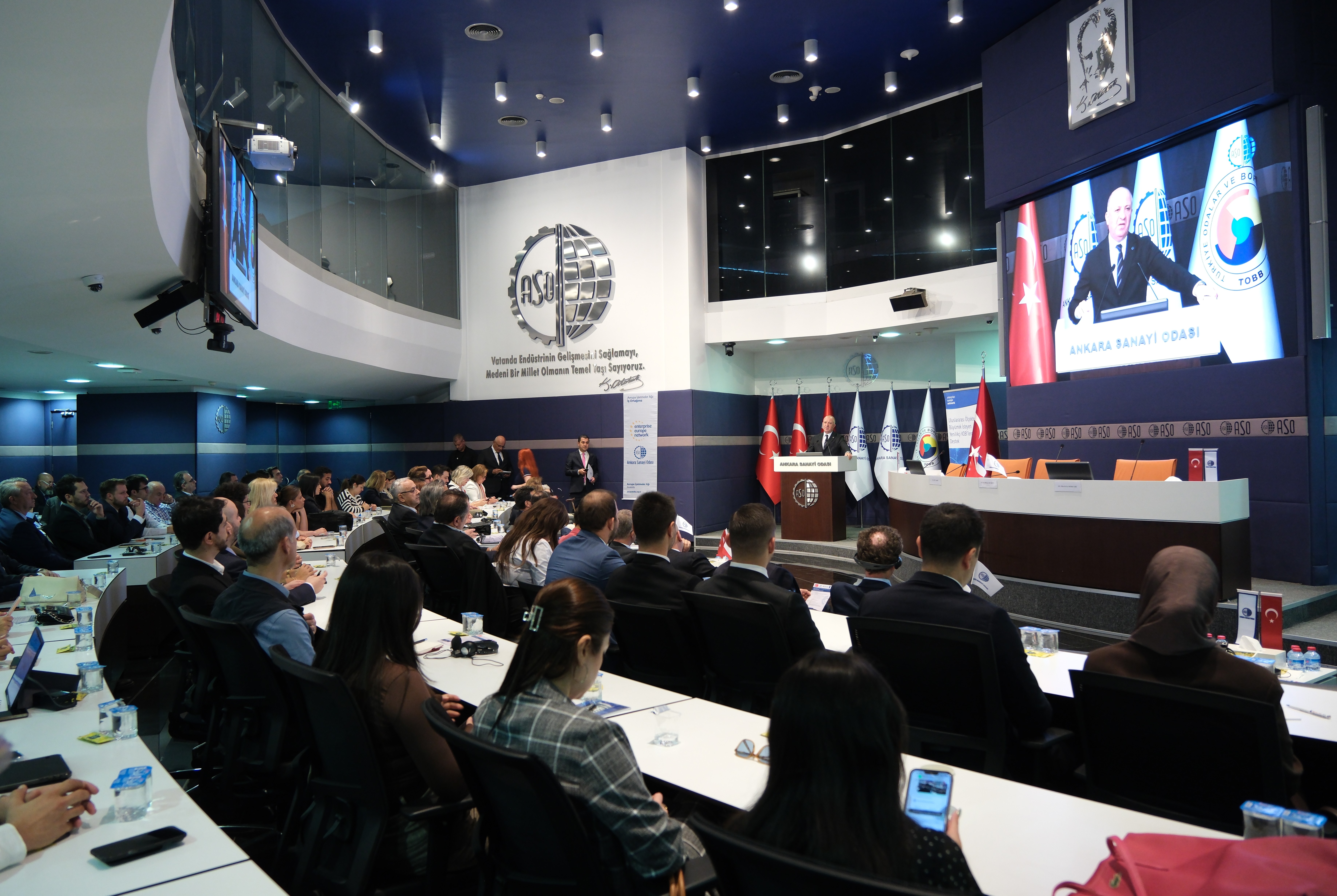
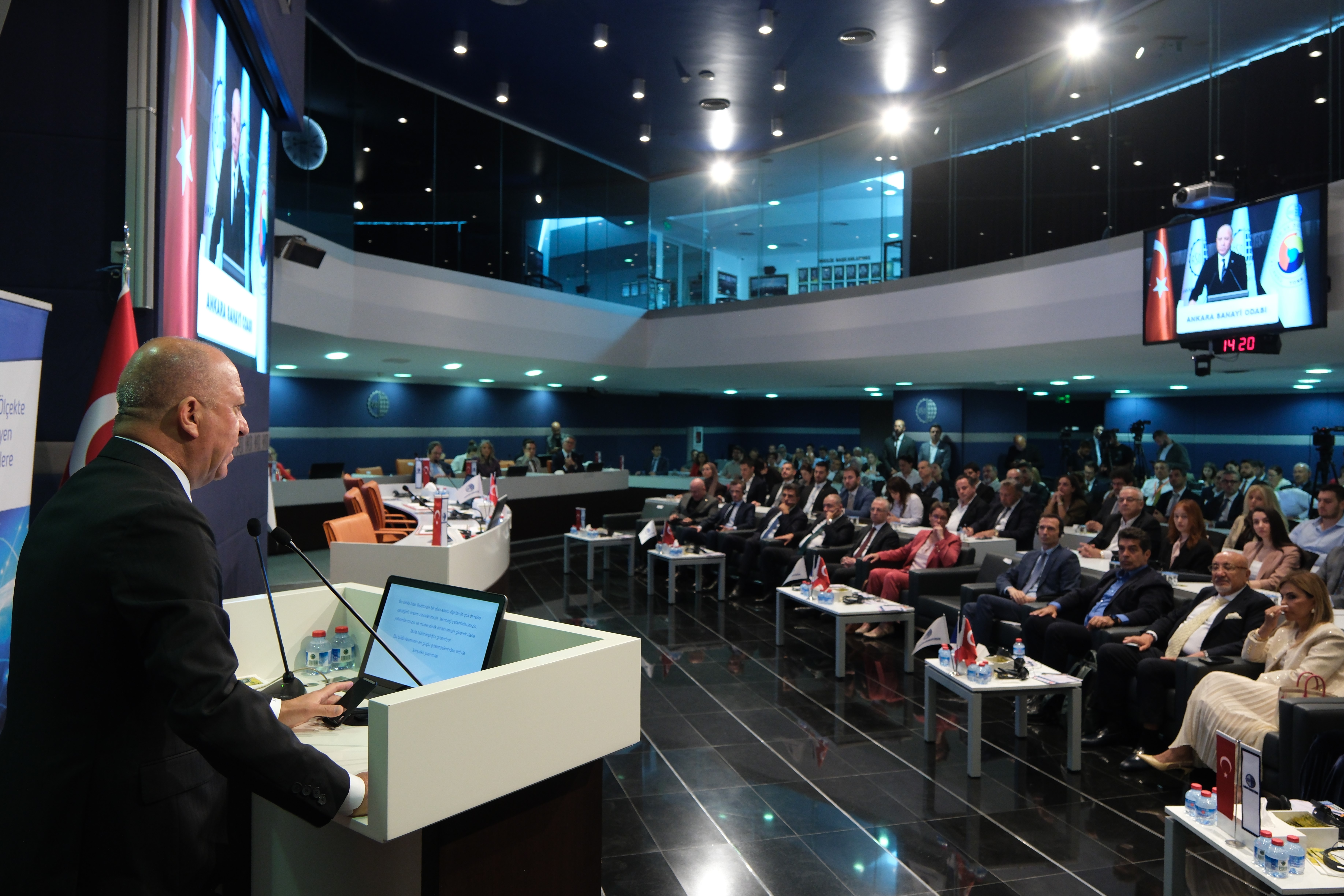
The Ankara Chamber of Industry (ACI) hosted the “France Country Day” event, where the development of commercial and economic relations between Türkiye and France, investment opportunities and new areas of cooperation were discussed. Organized in cooperation with ACI, the Embassy of France in Ankara and the Turkish-French Chamber of Commerce Association (CCIFT) under the theme “Business and Investment in France,” the event also featured the signing of a cooperation agreement between ACI and CCIFT. Speaking at the program, which brought together the Turkish and French business worlds, ACI Chairman Seyit Ardıç stated that Ankara’s engineering know-how, industrial infrastructure and universities offer a favorable ecosystem for French investments, and said, “I extend an open invitation to French technology companies, industrialists and investors. Produce from Ankara for the European market.” Yapıştırılan markdown
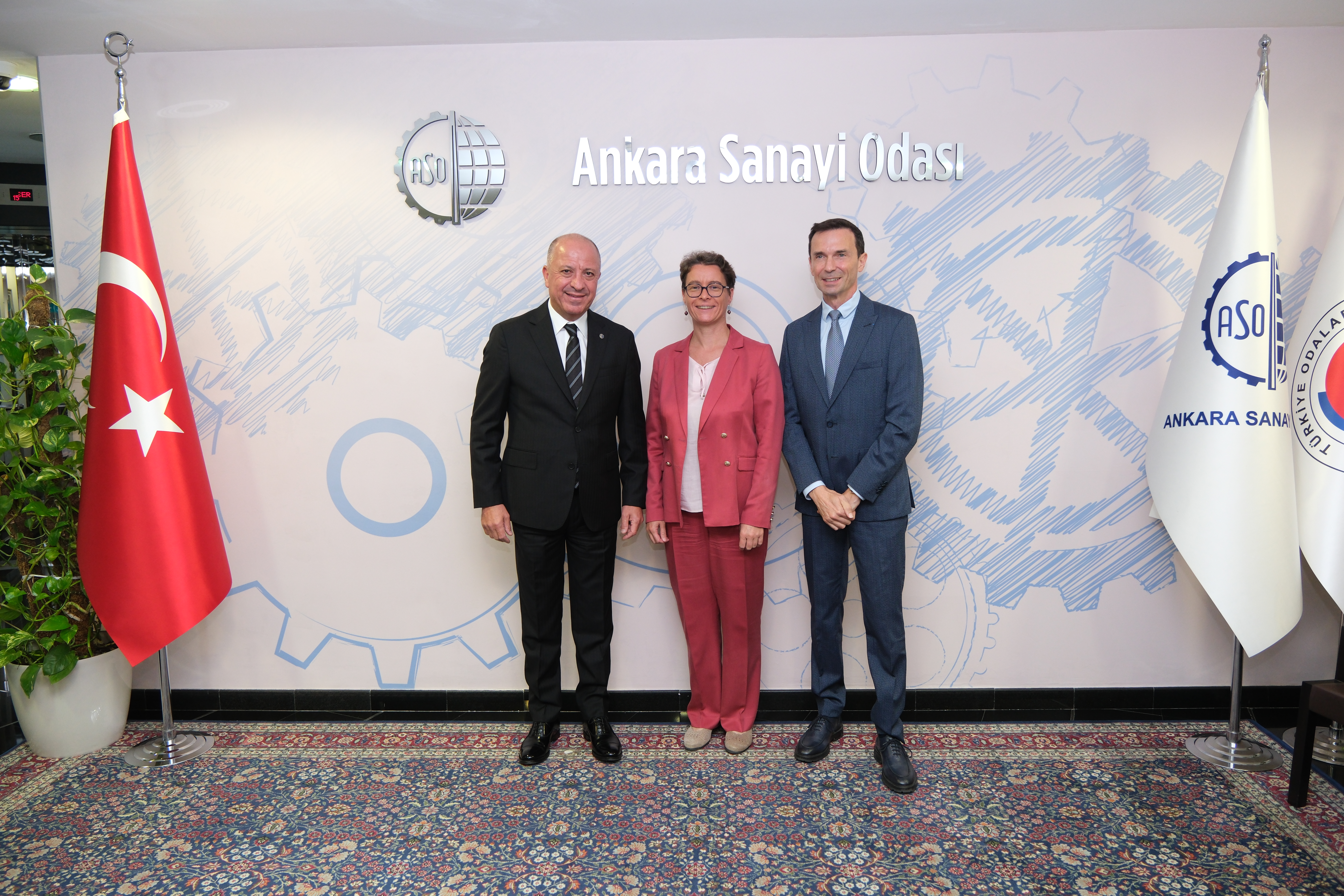
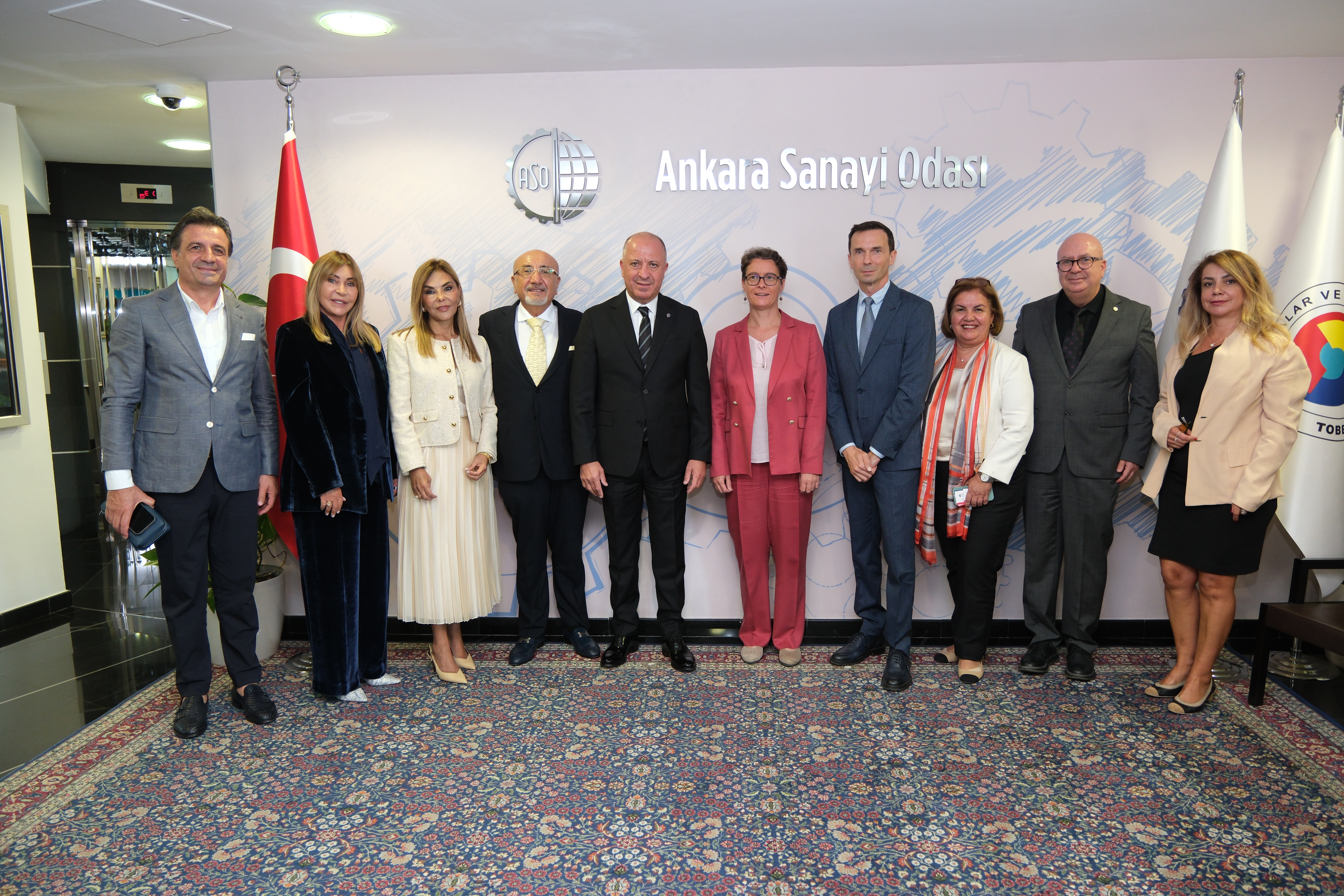
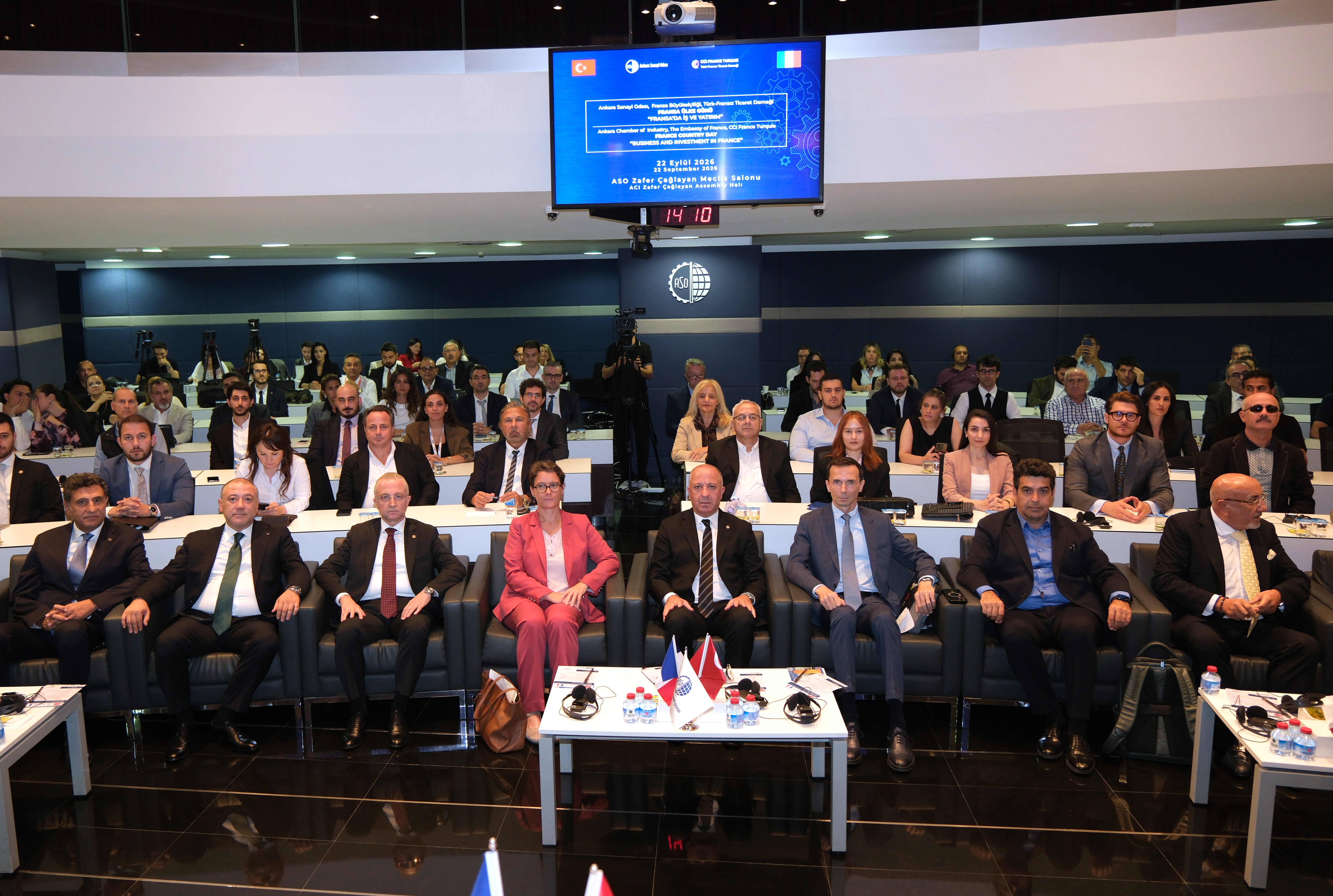
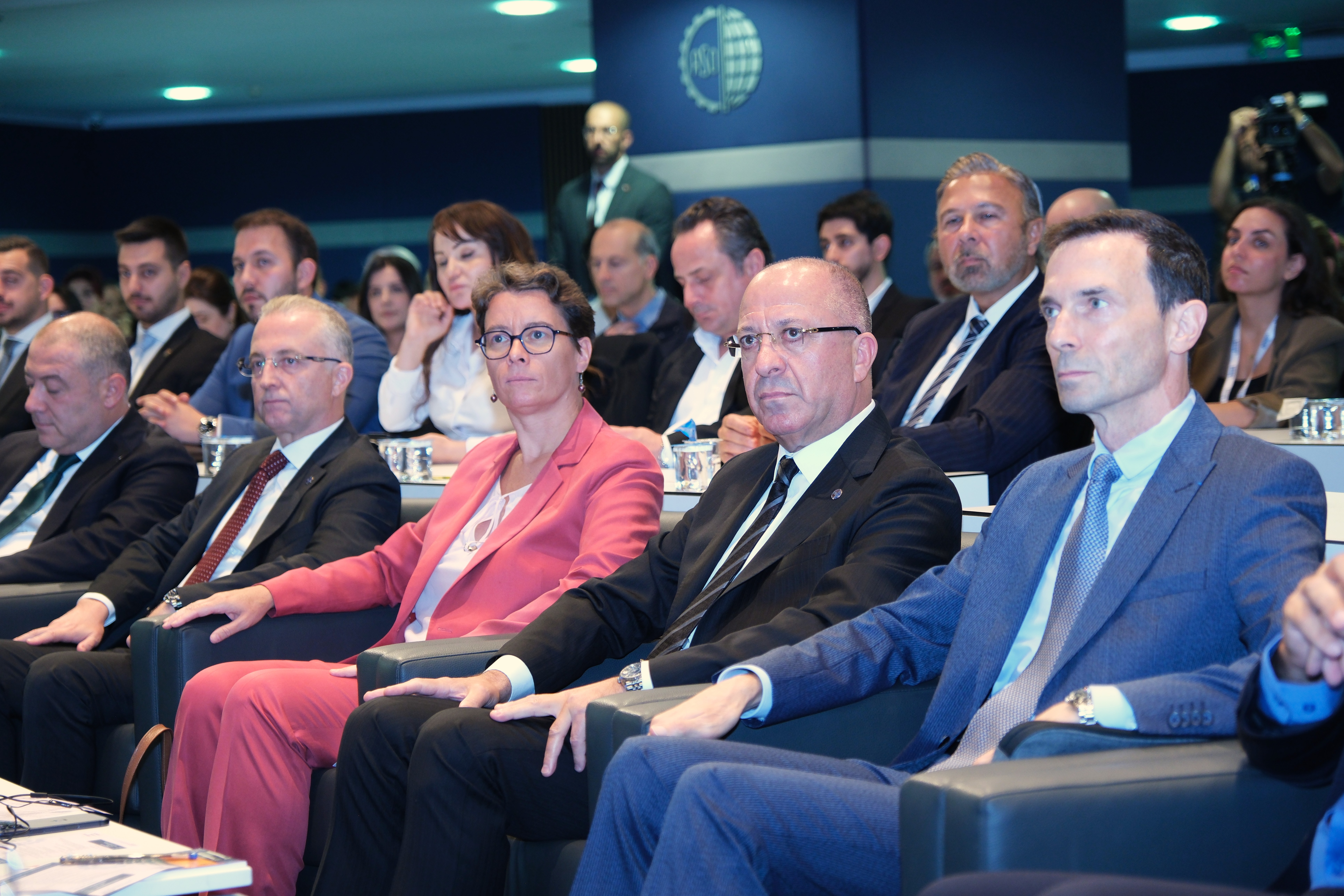
The “France Country Day” event, organized under the theme “Business and Investment in France” in cooperation with the Ankara Chamber of Industry, the Embassy of France in Ankara and the Turkish-French Chamber of Commerce Association (CCIFT), was held at the ACI Zafer Çağlayan Assembly Hall. Hosted by ACI Chairman Seyit Ardıç, the program was attended by France’s Ambassador to Ankara Isabelle Dumont, CCIFT Chairman Franck Mereyde, ACI Board Members Mehmet Osmanbeyoğlu, Ertuğrul Onat and Levent Akçakoca, representatives of the Turkish and French business worlds and public institutions, and ACI member industrialists. Speaking at the program, ACI Chairman Seyit Ardıç evaluated the commercial relations between the two countries, Europe’s changing industrial policies, Ankara’s production capacity and investment opportunities for French companies.
At the beginning of his speech, Chairman Ardıç expressed special thanks to France’s Ambassador to Ankara Isabelle Dumont and referred to the close relationship they had established. Chairman Ardıç said, “At every meeting with our dear friend, Her Excellency the Ambassador, I see how beautifully the formality of diplomacy and the warmth of friendship can stand side by side. She reflects French elegance in diplomacy and, in friendship, the full warmth of Anatolia.”
Stating that Ambassador Dumont’s ties with Türkiye date back to her childhood and that she became familiar with Turkish culture from an early age thanks to her father, Turkologist Paul Dumont, Chairman Ardıç said:
“This closeness she feels toward our country is also reflected in our conversations with all its warmth. She speaks Turkish so beautifully and shows such sincere affection for Ankara that I consider her an honorary citizen of Ankara. I would especially like to express that the heartfelt bond Her Excellency the Ambassador has established with our country makes very valuable contributions to the friendship between Türkiye and France and to the rapprochement of our business communities.”
Wishing that France Country Day would lay the groundwork for new partnerships, Chairman Ardıç said, “I believe that this gathering will pave the way for establishing new collaborations, increasing mutual investments and carrying our economic relations further.”
“INDUSTRY IS ONCE AGAIN BECOMING A STRATEGIC POWER FACTOR”
Emphasizing that the relationship between Türkiye and France is built on historical, diplomatic and cultural ties extending beyond economic data, Chairman Ardıç said, “As the business world, our responsibility is to transform this accumulation into the partnerships of the future.”
Stating that in global trade, supply security, energy, critical raw materials, digitalization and green transformation have become decisive alongside price and market size, Ardıç described the change in production decisions as follows:
“There was a time when the question ‘Where can I produce more cheaply?’ was enough; today, one more question has been added to this: ‘Where can I produce safely, resiliently and sustainably?’ Therefore, industrial policies have once again moved to the center of the global agenda. Europe’s Green Deal, the Clean Industrial Deal and the Industrial Accelerator Act proposal that came onto the agenda in 2026, as well as the industrial strengthening policies of the United States and China, all point to the same reality: industry is once again becoming a strategic power factor.”
“WE NEED TO UPDATE THE SCOPE OF THE CUSTOMS UNION”
Drawing attention to the role of the Customs Union in economic relations between Türkiye and the European Union, Chairman Ardıç said, “The Customs Union, which entered into force in 1995, connected the Turkish and European economies more strongly. Our mutual trade, which was approximately 30 billion dollars 30 years ago, exceeded 255 billion dollars in 2025. Today, Türkiye is the European Union’s fifth-largest partner in trade in goods. While 42.7 percent of our exports go to European Union countries, the European Union’s share in our imports is over 35 percent. These figures show the scale our economic relations have reached.”
Stating that the Customs Union has formed the basis of trade with the EU for 30 years, Chairman Ardıç said the current framework must be adapted to changing trade and production conditions, and continued:
“In 1995, neither digital trade was at today’s scale, nor were green transformation, carbon pricing, electric vehicles, artificial intelligence and critical raw materials at the center of the economic agenda. Therefore, we need to update the scope of the Customs Union according to today’s trade and production conditions.”
Stating that Europe’s changing industrial policies make this need even more apparent, Chairman Ardıç said that the Industrial Accelerator Act proposal aims to protect Europe’s production capacity and strategic sectors. Chairman Ardıç noted that this direction directly affects industrial and investment relations between Türkiye and France.
“THE POSITION OF TÜRKİYE, WHICH IS INTEGRATED WITH THE EUROPEAN SUPPLY CHAIN, SHOULD BE CLEARLY DEFINED”
Recalling that the European Commission’s Industrial Accelerator Act proposal includes the objective of strengthening the production of “Made in EU” products, Chairman Ardıç drew attention to Türkiye’s production structure, which is integrated with European industry within the Customs Union, and continued:
“In this process, the position of Türkiye, which is part of the Customs Union and integrated with Europe’s supply chain, should be taken into special consideration and clearly defined. The inclusion of provisions in the Commission’s April 2026 statement regarding the recognition of content from Customs Union countries as ‘Union-origin’ is a positive step. However, our expectation is that this should be clear, predictable and guaranteed in practice.”
Stating that Türkiye is an integral part of the European value chain in automotive, machinery, metal, defense, aviation and electronics, Chairman Ardıç said, “When Europe’s new industrial policies are being formulated, it is extremely important to take Türkiye’s existing production integration into account. The real issue is to develop the capacity to produce ‘Made with Europe,’ in other words, to produce together with Europe.”
Stating that a stronger combination of Türkiye’s production power and Europe’s technology, capital and market capacity will increase the global competitiveness of both sides, Chairman Ardıç said France is one of Türkiye’s most important industrial and technology partners in Europe.
Chairman Ardıç stated that Türkiye and France can also develop joint projects in third countries and said, “We can invest together across a wide geography extending from Africa to Central Asia, from the Caucasus to the Middle East, and develop joint projects in third markets. Indeed, this issue was also addressed at the 2026 JETCO meeting. As the Ankara Chamber of Industry, we are ready to support such collaborations between our members and French companies.”
“DIRECT INVESTMENT IS A LONG-TERM DECLARATION OF TRUST”
Stating that the trade volume between Türkiye and France reached 24.1 billion dollars in 2025, Chairman Ardıç recalled that this figure was 14 billion dollars five years ago. He said that machinery, automotive and metal industries stand out in Türkiye’s exports to France, while aviation, chemicals and high value-added industrial products come to the forefront in France’s exports to Türkiye.
Drawing attention to France’s imports of transport equipment from Türkiye, Chairman Ardıç pointed to the place of Turkish industry in the French market by saying, “Of France’s 5.6 billion dollars of transport equipment imports from Türkiye in 2025, 5 billion dollars consisted of automotive products. In other words, some of the vehicles you see on the streets of Paris carry a little Ankara and a little Türkiye in their DNA.”
Stating that the relationship between the two countries has gone beyond a buyer-seller relationship, Chairman Ardıç said production chains, technological competencies, investments and engineering know-how are becoming increasingly integrated. Emphasizing that mutual investments are one of the strong indicators of this integration, Chairman Ardıç noted that France’s direct investment stock in Türkiye has reached 8.7 billion dollars, Turkish companies’ investments in France have reached approximately 1 billion dollars, and 1,749 French companies operate in Türkiye.
Chairman Ardıç expressed the significance of investments as follows:
“Unlike trade, direct investment is a long-term declaration of trust. When a company establishes a factory and employs engineers, it is actually saying: ‘I see my future here.’ That is why we see French companies in Türkiye as a natural part of our common industrial ecosystem, and we attach importance to strengthening the presence of Turkish companies in France.”
“TRADE BETWEEN ANKARA AND FRANCE REMAINS BELOW ITS POTENTIAL”
Stating that Ankara’s trade with France remains below the potential between the two countries, Chairman Ardıç said that in 2025, the Capital’s exports to France stood at approximately 270 million dollars, while its imports from France reached 748 million dollars.
Drawing attention to Ankara’s capacity in defense and aviation, machinery, medical technologies, electronics, software and energy technologies, Chairman Ardıç said, “The share of high-technology products in Ankara’s exports is 13.5 percent, significantly above the Türkiye average. These figures show us that the Ankara-France relationship can be carried far beyond conventional trade items and that more facilitative steps need to be taken to develop bilateral relations.”
In this regard, Chairman Ardıç recalled that they had signed a Partnership Agreement in the Field of Visas with the Embassy of France in Ankara and emphasized that the agreement is important in facilitating mutual visits by businesspeople.
“The more often our business communities come together, the easier the doors of trade and investment will open,” said Chairman Ardıç, adding that the Memorandum of Understanding signed with CCIFT will give cooperation a more institutional and lasting structure.
FIVE AREAS OF COOPERATION IN TECHNOLOGY
Stating that ACI sees automotive and mobility, aviation and defense industry, machinery and advanced manufacturing, energy and green technologies, and digital technologies and artificial intelligence as five prominent areas of cooperation, Chairman Ardıç said:
“Türkiye’s production infrastructure and Ankara’s engineering know-how complement France’s design and advanced technology capabilities. This complementarity offers a broad area of cooperation, from electric vehicles and batteries to aviation supply chains, from joint machinery production to renewable energy, hydrogen and industrial software.”
Chairman Ardıç said that in order for this potential to turn into lasting partnerships, universities and technology companies should be brought together in joint R&D and technology development projects.
CALL TO FRENCH INVESTORS
Stating that the ACI Technology Base will provide an important foundation for these areas of cooperation, Chairman Ardıç said they plan to implement the project on a total area of 1 million square meters, including 440,000 square meters of indoor space.
Chairman Ardıç said, “We design the ACI Technology Base as a next-generation model that goes beyond a conventional technopark and brings together industry and R&D, technology and production, entrepreneurship and investment within the same ecosystem. At full capacity, we aim for the project to host more than 800 companies, provide qualified employment for more than 18,000 people and contribute approximately 1.5 billion dollars to annual exports.”
Making a direct call to French companies, Chairman Ardıç said, “Become a part of the ACI Technology Base. Establish R&D centers, open production facilities, develop joint projects with our universities; produce from Ankara for the European market. The engineering know-how, industrial infrastructure and universities of our Capital offer a favorable ecosystem for French investments.”
Stating that another project that will complement the ACI Technology Base is the ACI Free Zone, Chairman Ardıç said the zone, planned to be established in cooperation with the Ankara Development Agency on a 4.2 million-square-meter area belonging to the Chamber in the Temelli Industrial Basin, is designed as an international production, investment and export center.
Chairman Ardıç said, “When the project is completed, we aim for it to host more than 200 companies, provide qualified employment for 40,000 people and contribute approximately 4 billion dollars to exports. I invite French companies to invest in Ankara by benefiting from the tax and customs advantages that the ACI Free Zone will offer.”
“WE CAN REACH THE 30 BILLION DOLLAR TARGET TOGETHER”
Stating that they consider the trade volume between Türkiye and France, which reached 24.1 billion dollars in 2025, important but not sufficient, Chairman Ardıç pointed to the 30 billion dollar target previously expressed by Ambassador Dumont.
Chairman Ardıç said, “We can reach this target by increasing mutual investments, joint production, and R&D and technology collaborations. In short, Türkiye and France can be much stronger when they act together.”
Stating that ACI will work to bring its members together with French companies, organize sectoral delegations, contribute to facilitating visa processes and support technology and R&D collaborations, Chairman Ardıç said they want the meetings held during France Country Day to turn into concrete business connections.
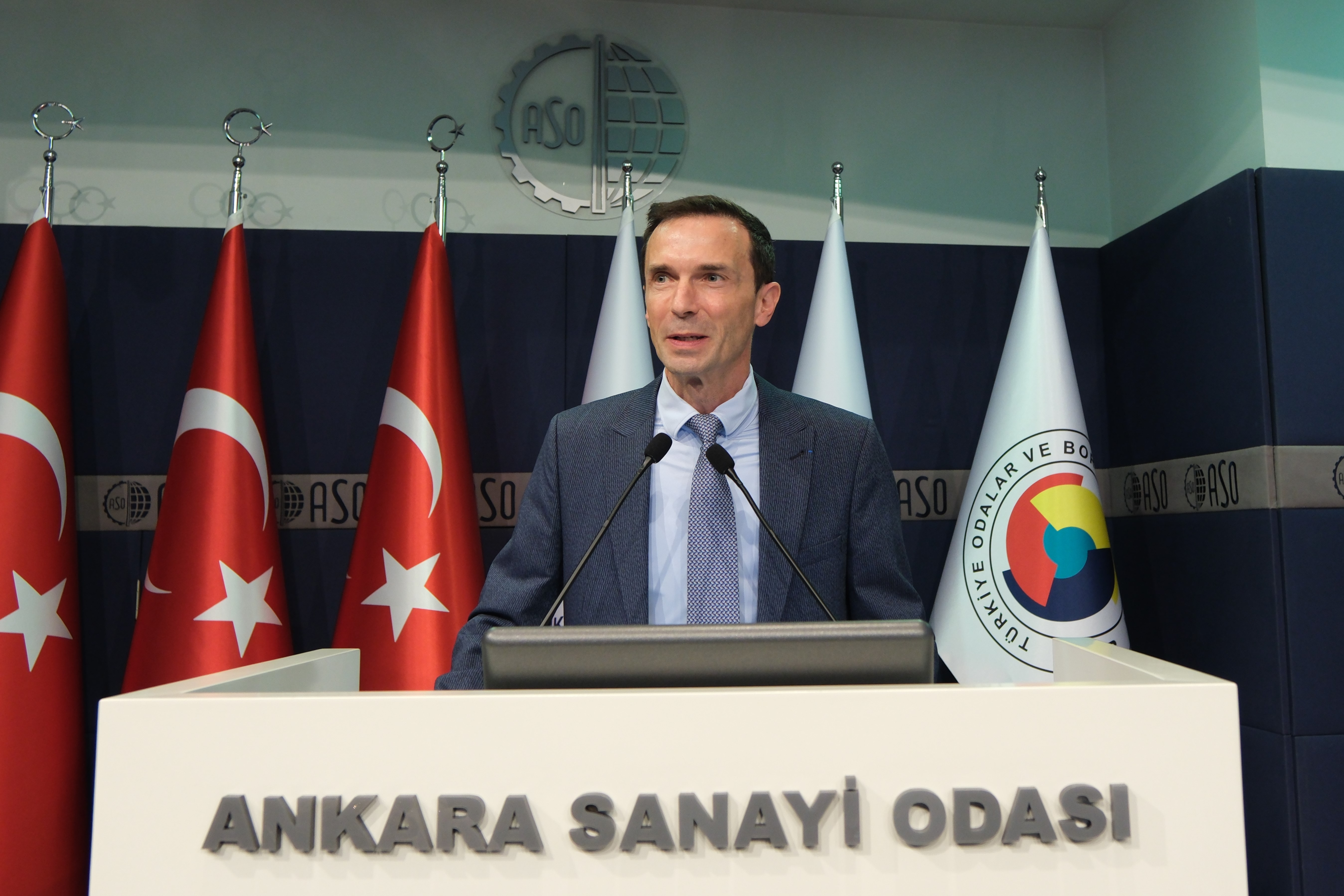
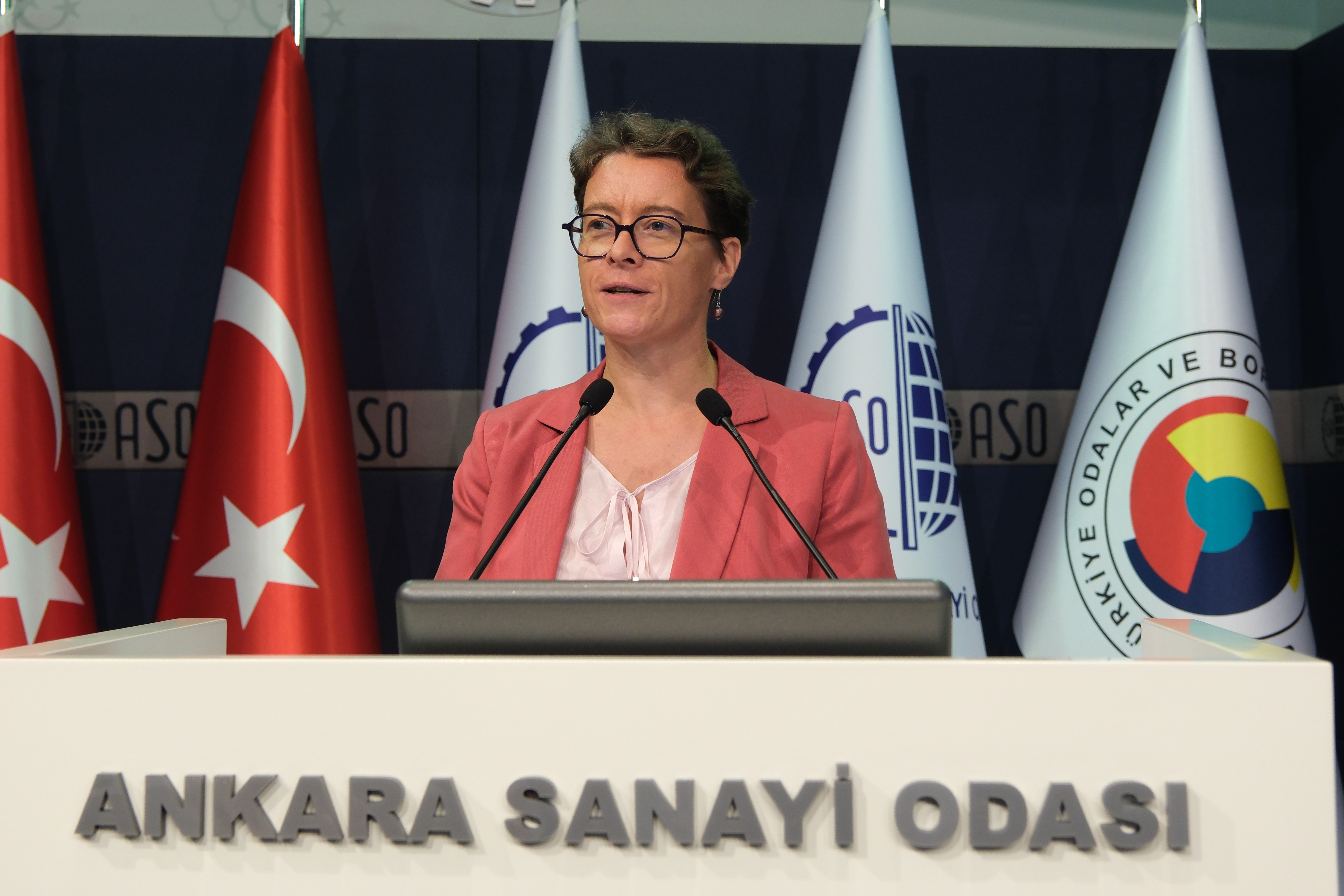
France’s Ambassador to Ankara Isabelle Dumont also stated that economic relations between Türkiye and France continue to strengthen.
Stating that French companies create direct and indirect employment for approximately 400,000 people in Türkiye, Dumont said they encourage increasing the investments of Turkish companies in France.
Emphasizing that personal relationships play an important role in developing partnerships between business communities, Dumont noted that an increase in the investments of Ankara-based Turkish companies in France would further strengthen the economic ties between the two countries. Drawing attention to the fact that the Memorandum of Understanding signed between ACI and CCIFT will further strengthen the ties between the economies of the two countries, Ambassador Dumont stated that they are ready to support Turkish companies.
CCIFT Chairman Franck Mereyde stated that the strong economic relations between France and Türkiye are based on many years of history, and said the geographical proximity between the two countries provides an important advantage for trade and investments. Mereyde emphasized that investments and industrial cooperation between the two countries should be further developed.
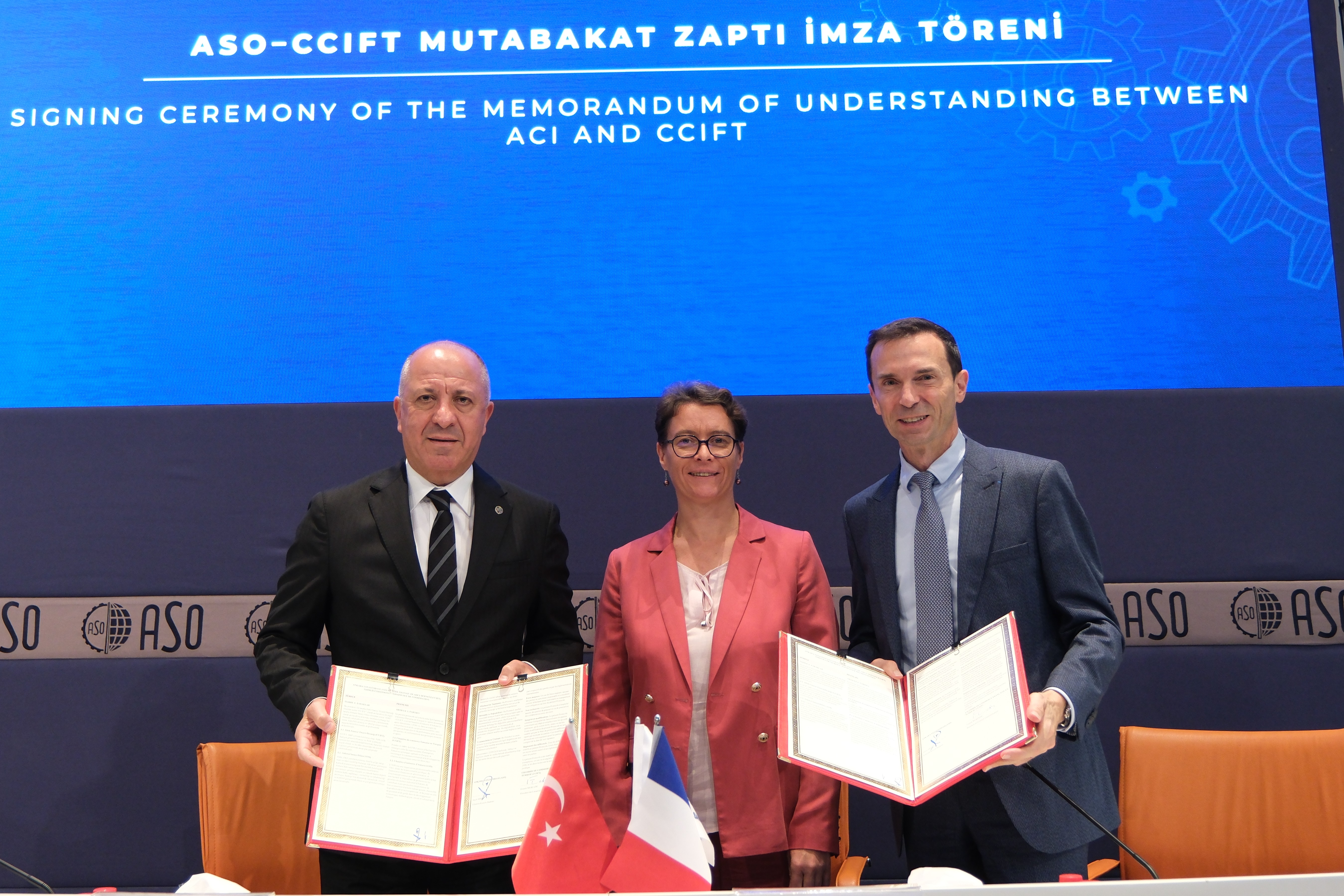
Following the opening speeches, a cooperation agreement was signed between ACI Chairman Seyit Ardıç and CCIFT Chairman Franck Mereyde, witnessed by France’s Ambassador to Ankara Isabelle Dumont.
INVESTMENT ENVIRONMENT AND FINANCING OPPORTUNITIES IN FRANCE WERE DISCUSSED
After the cooperation agreement, the program continued with the session on France-Türkiye Commercial and Economic Relations. In the presentation delivered by Jerome Baconin, Head of the Regional Economic Service of the Embassy of France, commercial and economic relations between the two countries were evaluated.
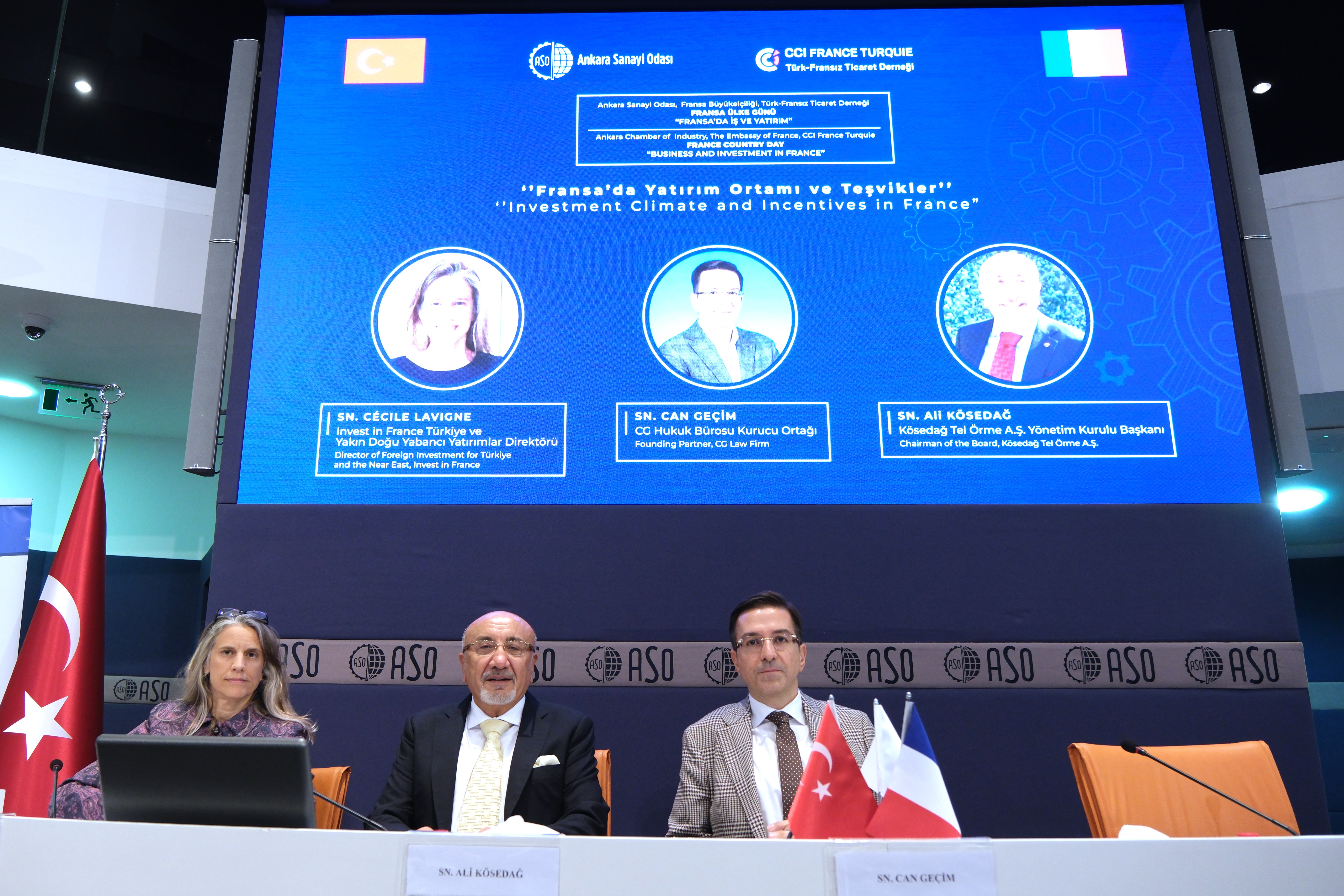
In the session titled “Investment Environment and Incentives in France,” Cecile Lavigne, Director of Foreign Investments for Türkiye and the Near East at Invest in France; Can Geçim, Founding Partner of CG Law Firm; and Ali Kösedağ, Chairman of Kösedağ Tel Örme, discussed the investment environment and opportunities for the business world.
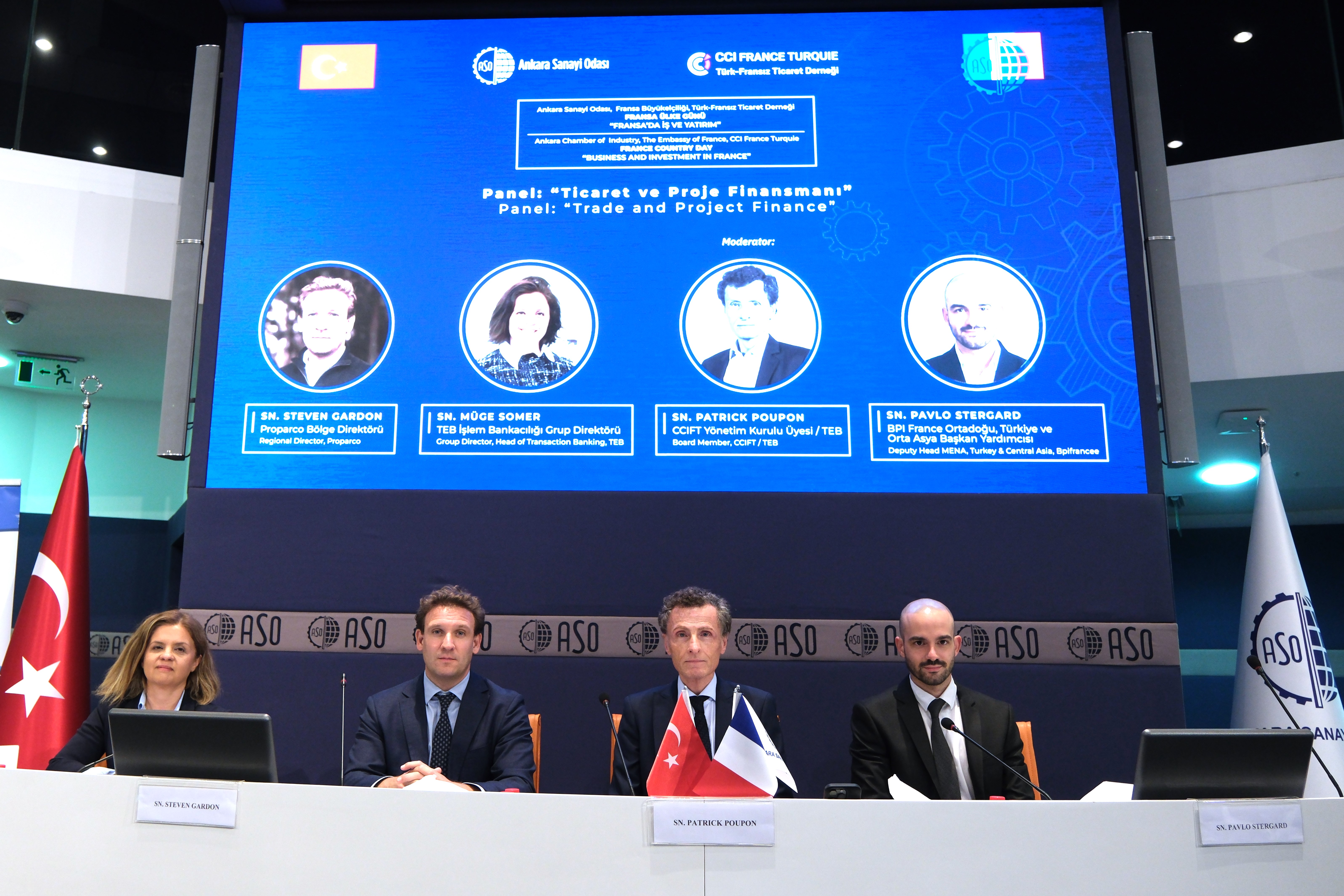
The panel titled “Trade and Project Financing” was moderated by CCIFT Board Member Patrick Poupon. Proparco Regional Director Steven Gardon, TEB Transaction Banking Group Director Müge Somer and BPI France Vice President for the Middle East, Türkiye and Central Asia Pavlo Stergard took part as speakers.
The program concluded with a networking meeting following the question-and-answer session.